
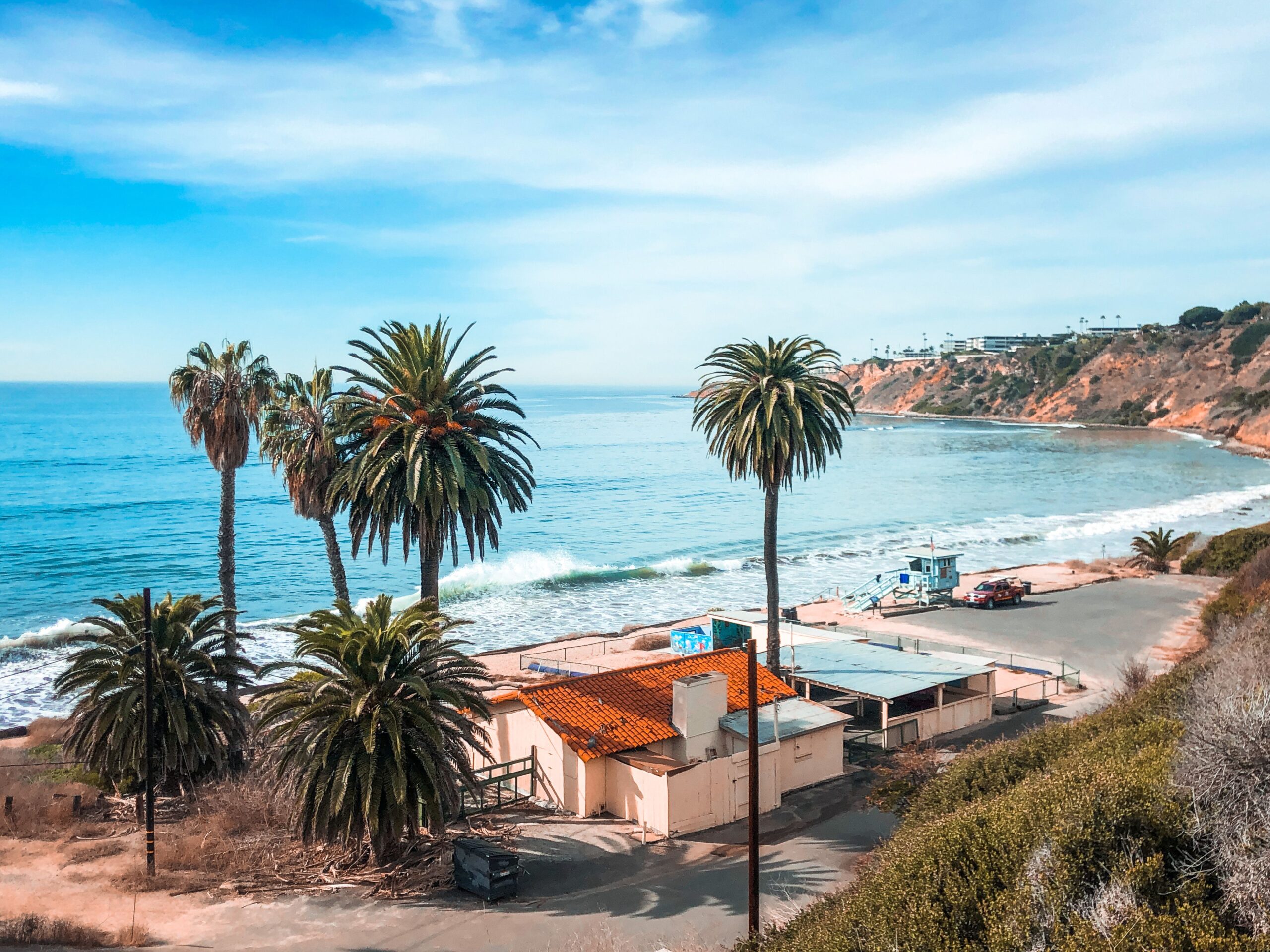
It’s officially been eight months since we started our beach house Airbnb in Florida, and it has been an INTERESTING eight months.
We’re in a recession and interest rates have climbed to an all time high. Airbnb dropped their summer update right after we went live with our listing, then the winter update later in the year. Hurricane Ian brought a lot of bad weather to Florida in September. Local supply has doubled in the past two years.
Also, I hosted my first Karen.
That’s a lot for what was our first properly out of state project. Here’s what I learned.
Disclaimer: this is just my own experience with one property in one market. I’m not a financial advisor and I can’t give investment advice, so please treat this as a starting point for your own research rather than a projection of what your numbers would look like.
1. Assembling the Right Team
Everyone says this. Make sure you have the right team, boots on the ground, all of that. It felt like a cliche until these past eight months, when I finally understood what it actually meant.
Our team looks like this:
- Cleaning professionals
- A few handyman contacts
- A local assistant who is our catch all person
- A lawn person
- A pest control company
You are running a business, so you try to cut costs where you can. We went with a cheaper lawn service at first, and it was such a hassle. We had to remind them to come by. Neighbors were the ones telling us the grass was getting out of control. Then the lawn person told us to order the weed and feed off Amazon ourselves. So now we’re timing an Amazon delivery around check in and checkout, because nobody wants a big box sitting on the porch while guests are in the house.
All of that, to save not very much money.
We switched to someone slightly more expensive and the difference was night and day. The mental space it cleared up was worth every extra dollar.
What I actually took from this: my job is to be a really good host. Anything I outsource should come completely off my plate, not turn into something I have to micromanage. You still communicate with your team, obviously, but there has to be a level of autonomy and trust. Someone dependable with good common sense is worth paying for, because it frees me up to do the parts only I can do: improving the space, finding new ways to reach guests, making the experience better.
2. A House Operations Handbook (For Yourself)
Not the guest manual. A separate one, just for you.
Mine now covers things like:
- When HVAC filters need changing, and what size they are
- Gas tank rental info
- A running list of maintenance items for the utilities and structural components
- Built in checkpoints for when to review all of it
I have to tell you how I got here, because it’s embarrassing. We got a call from our cleaners one day: there’s water dripping from the ceiling. Which is a terrible thing to hear from a few states away. What exactly am I supposed to do about it from here?
I started frantically calling around. When a ceiling leaks it’s hard to tell where it’s coming from, so my mind went straight to the roof, which is the worst case. I found someone to come out same day, thank goodness. He took one look and told me it wasn’t my roof. There’s a second air conditioner in the attic, and the filter needed changing.
Oh my God. What am I doing with my life.
I knew about that second unit at some point, because I read the inspection report. I just forgot, and I never built “go change this filter every few months” into a calendar anywhere. Every one of these mishaps was completely preventable with a boring document that I didn’t have.
3. Most Guests Are Wonderful People
This one reminded me why I wanted to do this in the first place.
One guy booked the house and called to ask if we had an iron. We didn’t yet, but I was planning to get one anyway, so I told him to grab one and bill me. He said sure, he was trying to get a shirt pressed because he was proposing to his girlfriend. That was the whole reason he booked the house.
Forget the iron, let’s get your shirt figured out.
They were such a lovely family. They now have this memory attached to the house and they want to come back every year.
The other story is sadder, but it stayed with me. A family booked our place mainly to say goodbye to their dad. He had an end stage illness and was nearing the end, and rather than everyone sitting in a hospital, they decided to all fly into one spot by the beach and spend a last week together as a family. You could see them on the Ring camera, and it was heartbreaking.
That’s the thing you can’t really do at a hotel. I’m not knocking hotels, I love a good hotel. It’s just a different thing.
Part of why we have a vacation rental is the money and the business side, obviously. As a host though, it’s these stories that bring me joy, and the way they make me feel connected to guests as people. Even if we expand and get another house, and another one after that, I don’t want to lose that feeling. I’m honored that our little effort in setting up a vacation rental gets to be part of someone’s memories.
Then there’s the obnoxious guest. They left a bad review complaining about things that didn’t exist (our plumber went out to check, there was nothing there). That’s part of the deal. We were buffered by a lot of five star reviews from wonderful people and I’m still a Superhost. There are always going to be nasty people. Remember the good ones, focus on what you can control, and don’t let the rest bring you down.
4. Seasonality Is Real
I knew going in that summer and spring break would be the peaks with dips in between. Knowing it and watching a five figure swing in monthly profit are two very different experiences. September was ROUGH. May, we went to the moon.
I also went in with a slightly overinflated ego after the tiny house, thinking I was somehow immune. Turns out that unless you’re literally the number one listing in your market, seasonality applies to you. If anything the tiny house was the anomaly, and I needed to be brought back down to earth.
The Hasty Decisions I Regret
The shock of that swing pushed me into a couple of moves I would not make again.
I got worried about a week with no bookings and frantically started listing everywhere. Furnished Finder was the silly one. This is a five bedroom beach house. I’m not optimizing for midterm rentals, that isn’t the demographic. I sunk $99 for no reason.
Booking.com was the more expensive lesson. I rushed it and didn’t read the fine print:
- It doesn’t sync with PriceLabs, so my minimum length of stay was never properly optimized over there
- Commission works differently. Airbnb and Vrbo take host fees out of your payout, while Booking.com sends you the full amount and then invoices you for commission later
- Airbnb and Vrbo handle Florida tax reporting automatically. Booking.com doesn’t, so that’s extra work on me now
We did get a couple of bookings out of it, but I feel like I left money on the table. All of it would’ve been avoided if I’d taken a deep breath and given myself time to plan. Sometimes I just need to chill out.
5. Photos That Match the House
We paid for professional photos and they’re still not showing what I see. Guests tell me the same thing, that the house is so much better in person. Which is lovely to hear, and also means my photos aren’t capturing what this place actually offers.
Not all professional photos are the same. I have specific ideas about how I want these redone, and a few design updates to go with them, so I’m heading back down in a couple of months to sort it out.
6. Pricing and Minimum Length of Stay
This is a heavily weekend driven market, which I hadn’t dealt with before. If I set a two night minimum and people booked Friday and Saturday every single weekend, that’s two days out of seven. Under 30% occupancy, which isn’t good at all.
It took real analysis to work out the right minimum stay for each season and how far out to set it. I think I have it dialed in now, but that was a learning curve.
7. Automate What You Can
You’re plenty busy. I’m plenty busy. There’s so much to learn about growing a vacation rental, and any repetitive task you’re doing manually is time taken away from the parts of the business only you can do.
If you want the specifics, I’ve written up the time-saving tech I actually rely on, and the things I still do by hand.
8. Early Check In and Late Checkout
Small thing, big miss. People will pay for this.
We kept getting requests and I kept answering them one at a time with some improvised response. Sometimes I’d say sure, the place is open anyway. Other times I’d say no because they’d been rude in their first message. That’s not a system.
Now it’s standardized. We include it in the check in message, because by then we know how likely the place is to be booked the night before. Something like: if you’d like to check in at 11am for $80 extra, let us know and we’ll block off the night before for you. We offer late checkout the same way in the checkout instructions.
Knock on wood, nobody has ever been annoyed that we asked. If they don’t want it they just don’t respond, and if they do want it they’re usually happy to pay so they don’t have to wake the kids up early. As long as the amount is reasonable, everyone wins. I only wish I’d started sooner.
9. What We Actually Made
I keep seeing #Airbnbust everywhere, so let me share my own numbers.
Our profit came out to roughly $7,000, and that includes the cost of us traveling down there to work on the house (and, fine, to enjoy the beach). Is that as profitable as 2021 would have been? Probably not. That year was an anomaly, with everyone coming out of lockdown wanting to travel but staying inside the US, plus inflation.
We are still on track to hit our projected revenue. It’s landing on the average case, not the worst case, but also not swimming in cash. We’re happy with it.
This was a steep learning curve and we put a lot of hours in, so on a per hour basis you could argue $7,000 isn’t much. A lot of what I learned this year carries over though, operations should get smoother, and the time commitment should keep shrinking. On the Airbnbust question generally, my guess is it varies a lot by market.
10. The Original Dream Still Works
This last one is a confirmation more than a lesson.
You really can have a vacation house that you get to visit and feel at home in, because it literally is your home, and have a good chunk of those expenses supported by the rental business. We’re heading back soon as a family, this time with my husband’s side, to sit on the beach and escape the winter up here.
That was the original dream. It’s a lot of work, especially up front, but it’s still a viable one, and I’m thankful it has panned out the way we hoped so far.
Would a house operations handbook template be useful to you?
This is the one I built – and something I totally wish I had starting out.
If you have advice for short term rental hosts that I didn’t cover here, drop that below too so we can all learn from each other 🙂
